
How can Osteopathy help me?

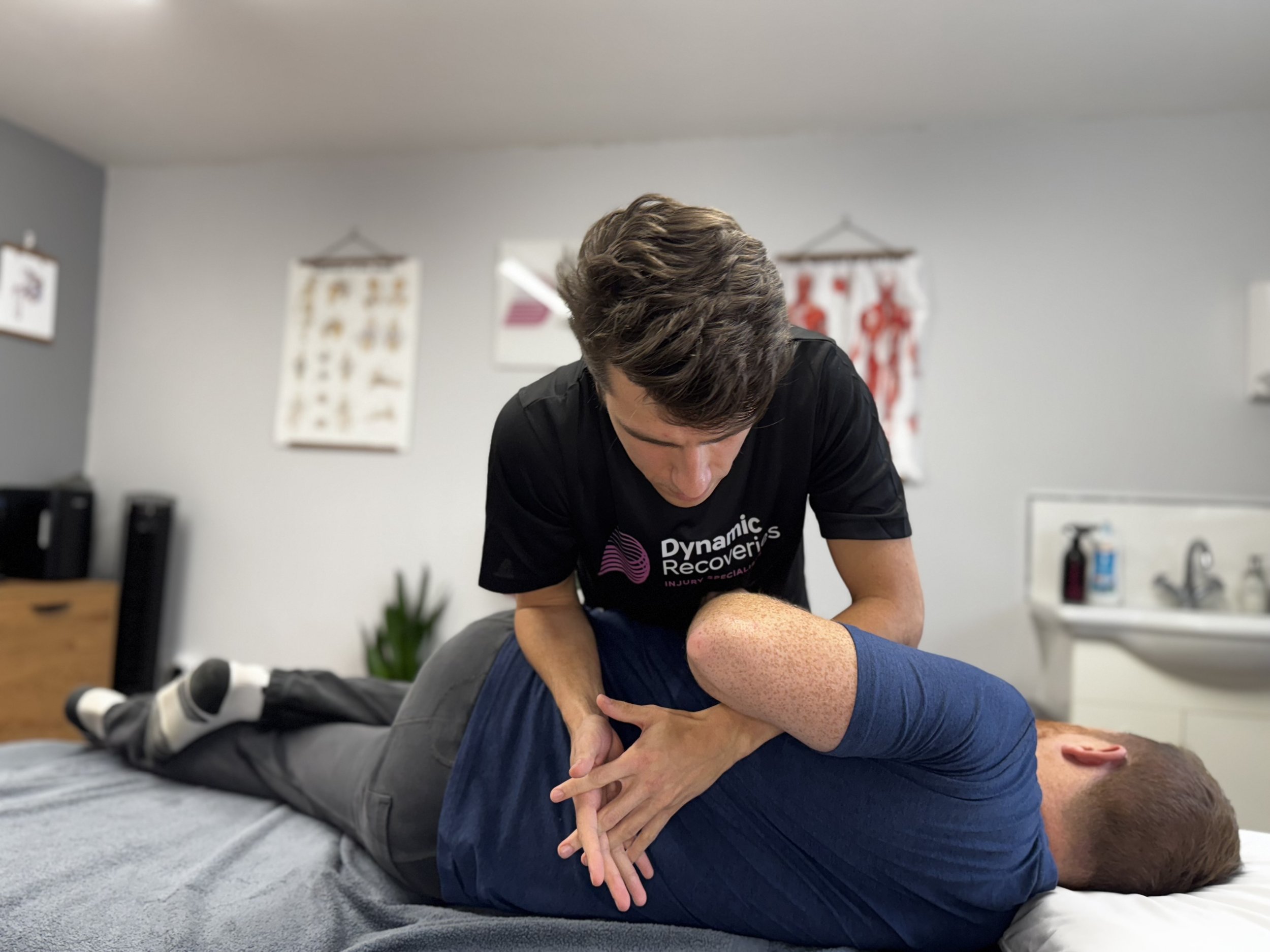
Osteopathy can help reduce pain, improve mobility, and support recovery from joint, muscle, and nerve-related conditions. Treatment uses gentle hands-on techniques, movement advice, and rehabilitation strategies tailored to the individual. Many people seek osteopathy for back pain, headaches, arthritis-related stiffness, and persistent musculoskeletal pain.
At Dynamic Recoveries in Manningtree, osteopathy is often used to support people with chronic pain, joint stiffness, headaches, and injury recovery. Treatment is one-to-one and focused on improving long-term function, not just short-term relief.

What happens during an osteopathy appointment?
Your session will usually include:
A detailed discussion about your symptoms
Movement and posture assessment
Hands-on treatment (if appropriate)
Advice on exercises and daily habits
Treatment is always tailored to your comfort and goals.
What can osteopathy help with?
This list is not exhaustive but here are the common issues we see in clinic. If you cannot see your problem here don’t worry! Drop us a call and we can discuss how Osteopathy can help you.
Back and neck pain
Improving spinal mobility and reducing muscle tension.Arthritis-related stiffness
Supporting joint movement and comfort during activity.Headaches and migraines
Addressing neck and upper back contributors.Sciatica and nerve pain
Reducing mechanical irritation and improving movement.Shoulder and joint pain
Restoring mobility and supporting rehabilitation.
Physiotherapy vs Osteopathy
Physiotherapy and osteopathy both treat musculoskeletal pain but use slightly different approaches. Physiotherapy focuses on rehabilitation, exercise, and long-term movement strategies, while osteopathy uses more hands-on techniques alongside movement advice. Many people benefit from a combination depending on their condition and goals.

Physiotherapists specialise in:
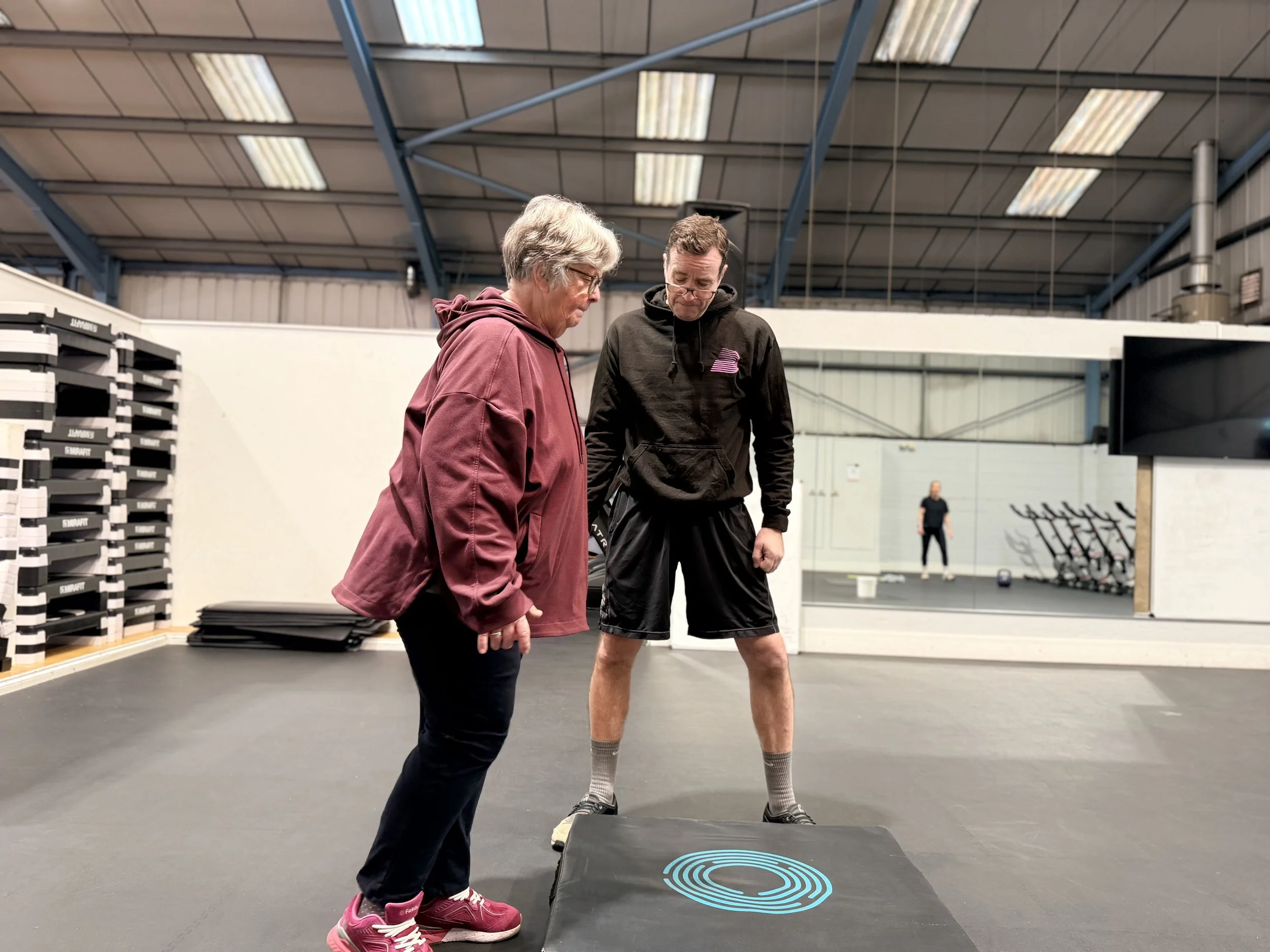
Exercise rehabilitation
Injury recovery
Chronic pain management
Movement retraining
Strength and conditioning
Treatment often focuses on long-term self-management.
What does a Physiotherapist do?
Osteopaths focus on:
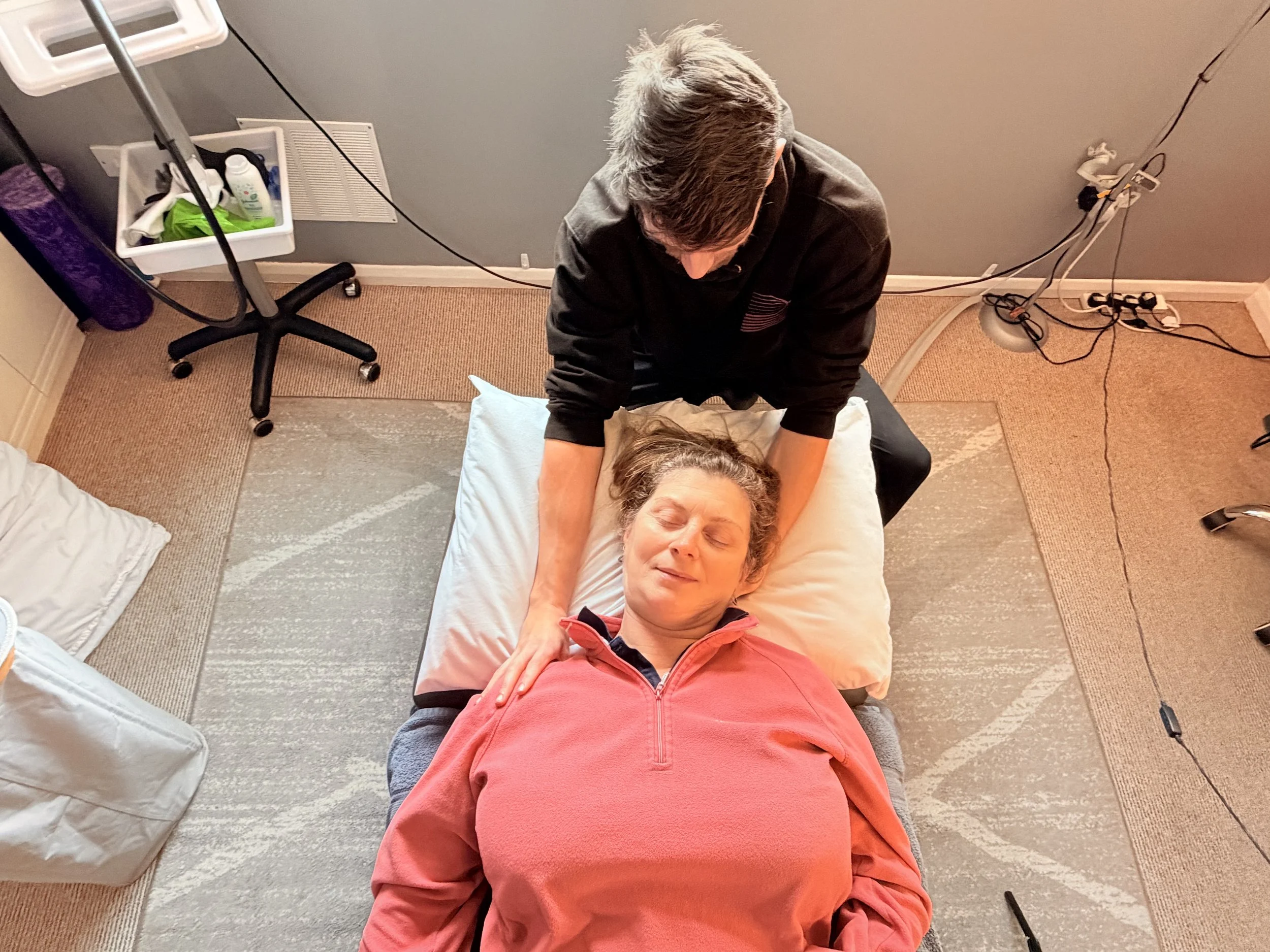
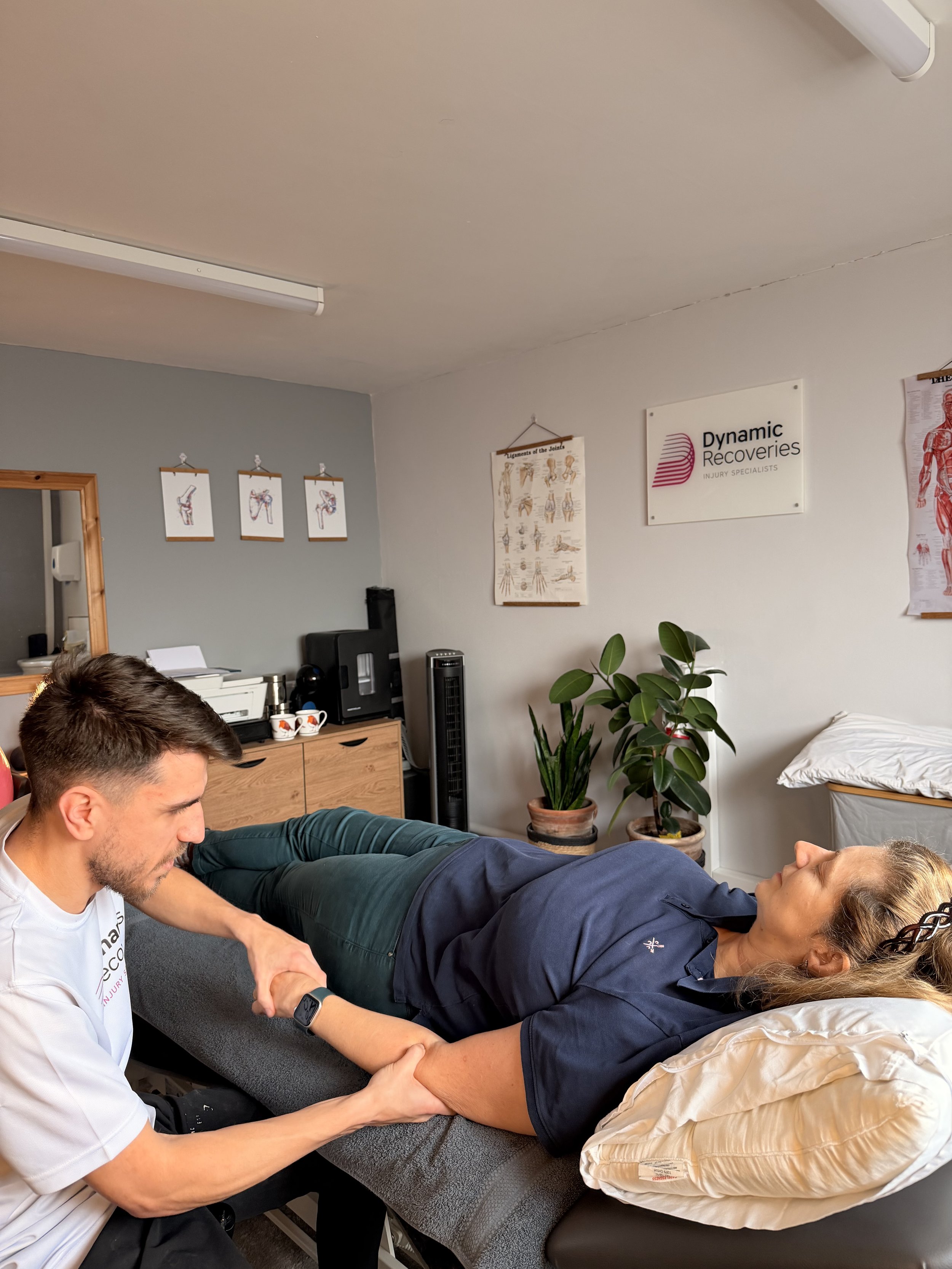
Hands-on joint and tissue treatment
Spinal and joint mobility
Muscle tension release
Postural assessment
Often combined with exercise advice.
What does a Osteopath do?
Both can help.
Physiotherapy → education, pacing, exercise
Osteopathy → mobility, hands-on relief
Many chronic pain patients benefit from a combined approach.
Which is better for chronic pain?
Which is better for headaches or migraines?
If neck tension or posture contributes, both physiotherapy and osteopathy may help — often through improving neck mobility and reducing muscle tension.
Physiotherapy is usually central due to exercise and strength work, while osteopathy may support mobility and comfort around affected joints.
Which is better for arthritis?
How to choose?
You don’t always need to choose alone. After assessment, you’ll be guided toward the most appropriate approach — or a combination of both.
